
Implementing a non-contact method of monitoring patients
Christina led the implementation of a digital care assistant that allows for non-contact monitoring of patients, improving the safety and experience of both patients and staff.
Christina led the implementation of a digital care assistant that allows for non-contact monitoring of patients, improving the safety and experience of both patients and staff.

Read part two of Birdie’s evidence generation journey, in which the focus has moved from demonstrating value to making sure the Birdie platform meets the needs of users.

Ben’s team worked on scaling getUBetter – a personalised recovery and prevention self-management support platform for common MSK conditions and injuries, across South-West London. The solution aims to enable effective patient self-management by helping patients trust their recovery.

Annie’s team created a navigation template “The GP SatNav” whereby receptionists can efficiently navigate the patient to the right health professional at the right time.

NHS and Councils in Kent and Medway aimed to reach isolated care homes during the pandemic in 2020 and Mark’s team scaled this work to provide digital remote monitoring in 2021.

Simulation-based medical teaching forms a core aspect of practical clinical training for healthcare professionals and medical students.
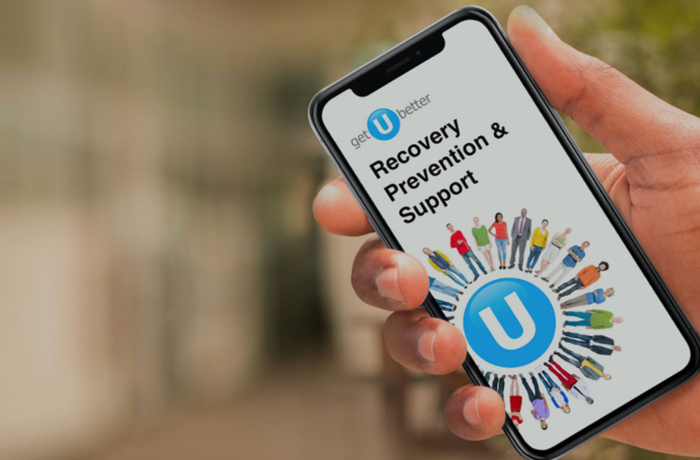
getUBetter is an evidence based, CE marked, digital self-management platform for all common musculoskeletal injuries and conditions. Find out how GetUBetter was co-designed to meet the needs of patients.

The DigitalHealth.London Generator has supported Regimen to identify the data needed to support their evidence generation, as well as facilitating a partnership with Self-Care Academic Research Unit (SCARU) at Imperial College London.

Feebris’ mission is to bring AI-powered diagnostics and accelerated treatment to every household around the globe, beginning with the most vulnerable communities. Find out how Feebris refined their value proposition to meet NHS needs during their time on the DigitalHealth.London Accelerator.
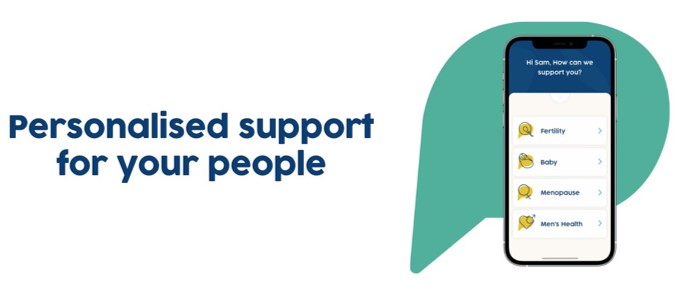
Peppy is a user-facing app that provides personalised support to help people navigate through some of life’s big transitions. Find out how the DigitalHealth.London Accelerator supported the growth of Peppy across multiple NHS trusts.

FibriCheck is the world’s first medically certified app capable of timely detection of heart rhythm disorders, including atrial fibrillation (AF). Find out how the DigitalHealth.London Accelerator supported FibriCheck in building their NHS knowledge and network.

Mendelian is a digital health company that focuses on building tools to help clinicians detect hard to diagnose diseases. Find out how the DigitalHealth.London Accelerator supported them in building a portfolio of evidence for their flagship product, MendelScan.

Accelerator alumnus company Sweatcoin partnered with the NHS South West London Health & Care Partnership, following a pitch they gave at the Accelerator launch event for the 2019/20 cohort.
Remote monitoring for Cystic Fibrosis in children at Addenbrooke’s Hospital, Cambridge, UK with satellite sites at Ipswich Hospital and Peterborough City Hospital.

The DigitalHealth.London Generator supported Macusoft to develop research questions through one-to-one sessions and to subsequently engage with academics.

The DigitalHealth.London Generator supported White Swan to pivot their product development roadmap to ensure they are clinically robust, as well as develop a roadmap for, and implement parts of, their evidence generation pathway.

The DigitalHealth.London Generator facilitated a partnership between Accelerator company BIOS and a research team at Queen Mary, University of London’s (QMUL) Human Performance Laboratory, a national facility of gait analysis. This enabled the partners to secure InnovateUK grant funding to support a validation study.
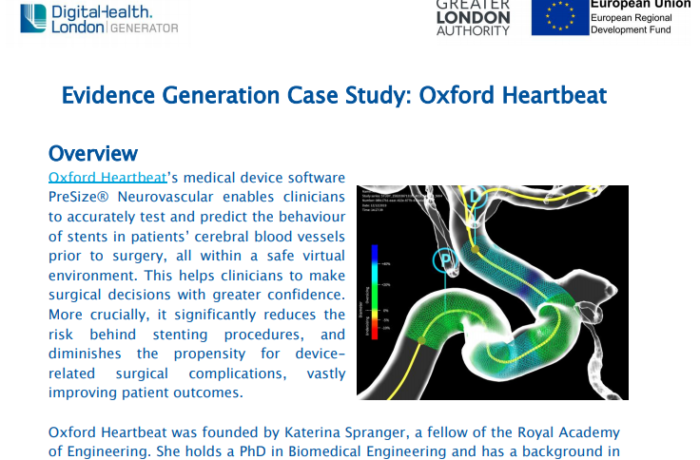
Oxford Heartbeat is an alumnus of the DigitalHealth.London Accelerator programme and during their time on the programme they engaged with DigitalHealth.London’s Generator, through which a relationship was brokered with the NIHR Research Design Service (RDS) in South London.
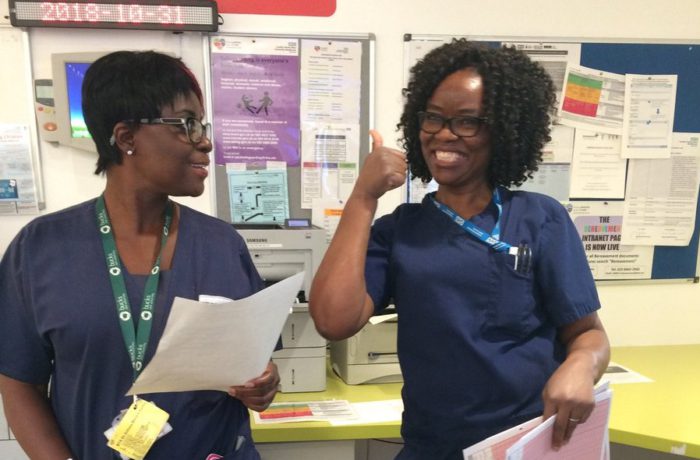
DigitalHealth.London Accelerator alumnus Infinity Health recently won a prestigious HTN Award for its work with London North West University Healthcare NHS Trust, where its ePortering solution saved more than 10,000 hours of staff time in just one year. Here, we visit the project case study, and explore just how they saved those hours.

This month marks the launch of our Impact Report 2019 showcasing the successful programmes, activities and connections over the last year, and beyond.
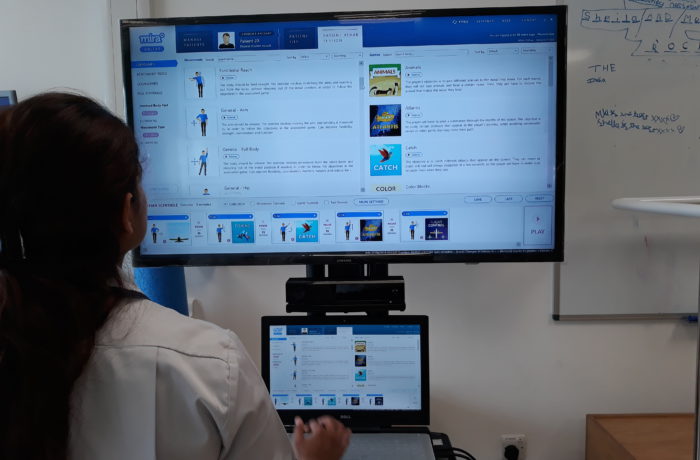
In Chelsea and Westminster Hospital NHS Foundation Trust, a key challenge for physiotherapy compliance is that the children’s wards are not conducive to performing regular exercise.

Spreading digital expertise in outpatients from the Welsh Coast to East Anglia. On 24 September 2018, around 150 delegates attended the Channel shift to digital…

Within GSTT, SXT now provides four services to help tackle the incidence of STIs and reduce transmission.

In 2018, London North West University Healthcare NHS Trust launched the “Let’s Get Digital” innovation programme. Infinity Health, a secure collaboration and task management platform that addresses workflow and mobile communication challenges, pitched to the trust to help address a key challenge area of patient flow in the Emergency Department.