
December 2021 Newsletter
As 2021 draws to a close, we at DigitalHealth.London have been reflecting on the events of the year, both in our organisation and across the digital health sector.
As 2021 draws to a close, we at DigitalHealth.London have been reflecting on the events of the year, both in our organisation and across the digital health sector.

This month, we are delighted to share a summary of findings following our five-week conversation with NHS and social care staff, industry, patients and academics, entitled “Driving digital: Insights and foresights from the health and care ecosystem”. We also announced a new transatlantic partnership with the Cedars-Sinai Accelerator to support international adoption of the US and UK’s best health tech companies.

CW+ announced the launch of the Horizon Fellowship programme, to be delivered in partnership with DigitalHealth.London.

The DigitalHealth.London Accelerator announced a new transatlantic partnership with MassChallenge, one of the world’s top accelerator programmes, to support high-potential companies working to improve digital health in the US and UK.

Motilent’s product GIQuant®, provides a clinically validated, objective disease activity score for small bowel Crohn’s disease based on intestinal motility and has recently received FDA 510k clearance in the USA – the rollout of this technology will be in partnership with Nuance AI solutions.

Five Accelerator companies, GetUBetter, DrDoctor, Ampersand Health, Concentric Health and Patients Know Best were announced as winners of the NHSX Adoption fund.

Two alumni Accelerator companies and one alumni Launchpad company were revealed as winners of 2021 Health Tech Digital awards.

The DigitalHealth.London and Cedars-Sinai Accelerators, two of the world’s top Accelerator programmes, today announce their new partnership supporting international adoption of some of the US and UK’s best health tech companies.

Surrey Heartlands Clinical Commissioning Group has announced plans to extend the use of Inhealthcare remote monitoring technology to cover blood pressure monitoring.
As DigitalHealth.London celebrates our fifth birthday, we have reflected on some of our programme’s achievements over the last five years…
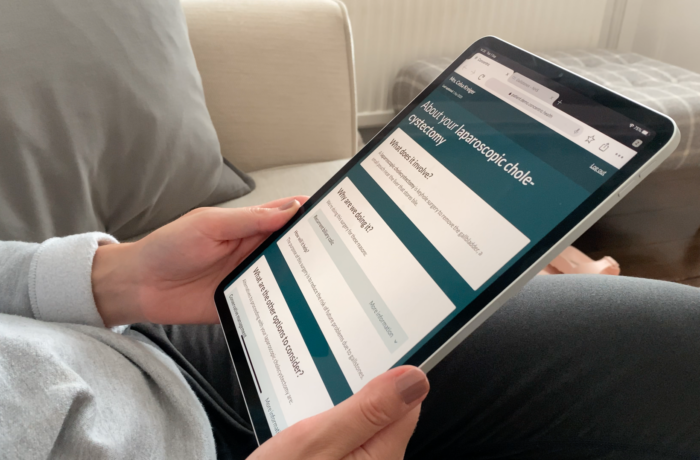
The Evidence Generator workshops led to brokering a discussion with Peter Lovell from the National Institute for Health Research RDS to support future work in a qualitative evaluation of Concentric’s platform.

This month it’s DigitalHealth.London’s 5th birthday! To celebrate, we’ve been hearing from people across the health and care ecosystem on learnings from the last five years in digital health and what is envisaged for the future.

Christina led the implementation of a digital care assistant that allows for non-contact monitoring of patients, improving the safety and experience of both patients and staff.

Read part two of Birdie’s evidence generation journey, in which the focus has moved from demonstrating value to making sure the Birdie platform meets the needs of users.

Ben’s team worked on scaling getUBetter – a personalised recovery and prevention self-management support platform for common MSK conditions and injuries, across South-West London. The solution aims to enable effective patient self-management by helping patients trust their recovery.

Annie’s team created a navigation template “The GP SatNav” whereby receptionists can efficiently navigate the patient to the right health professional at the right time.

NHS and Councils in Kent and Medway aimed to reach isolated care homes during the pandemic in 2020 and Mark’s team scaled this work to provide digital remote monitoring in 2021.

Simulation-based medical teaching forms a core aspect of practical clinical training for healthcare professionals and medical students.

Pitchfest 2022 is now open for applications.
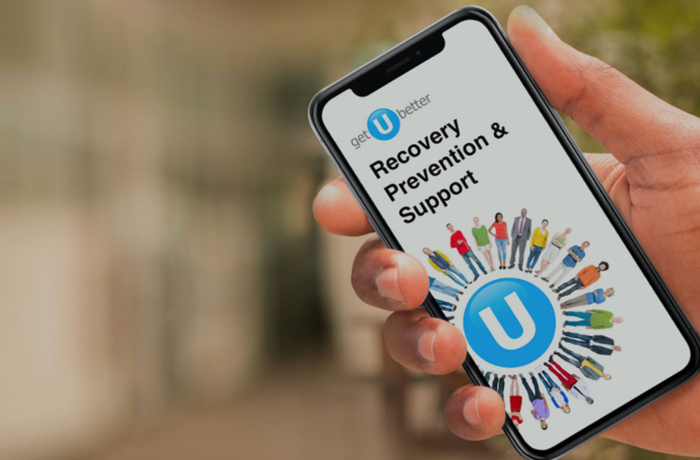
getUBetter is an evidence based, CE marked, digital self-management platform for all common musculoskeletal injuries and conditions. Find out how GetUBetter was co-designed to meet the needs of patients.

The DigitalHealth.London Generator has supported Regimen to identify the data needed to support their evidence generation, as well as facilitating a partnership with Self-Care Academic Research Unit (SCARU) at Imperial College London.

Feebris’ mission is to bring AI-powered diagnostics and accelerated treatment to every household around the globe, beginning with the most vulnerable communities. Find out how Feebris refined their value proposition to meet NHS needs during their time on the DigitalHealth.London Accelerator.
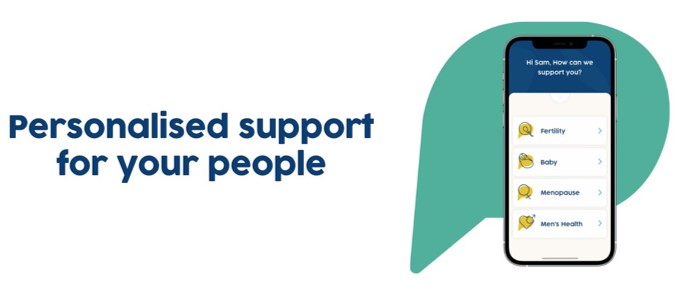
Peppy is a user-facing app that provides personalised support to help people navigate through some of life’s big transitions. Find out how the DigitalHealth.London Accelerator supported the growth of Peppy across multiple NHS trusts.

FibriCheck is the world’s first medically certified app capable of timely detection of heart rhythm disorders, including atrial fibrillation (AF). Find out how the DigitalHealth.London Accelerator supported FibriCheck in building their NHS knowledge and network.